


Your core body temperature drops by one to two degrees Fahrenheit over the course of a night, reaching its lowest point between four and five in the morning. That decline is not a side effect of rest. It is one of the biological conditions that makes deep, continuous sleep possible in the first place. When the bedroom or the bedding works against it, you get the familiar complaints: an hour spent staring at the ceiling, a 3 a.m. wakeup soaked in sweat, or a morning that feels like you never really slept. This article walks through how the nightly temperature curve works, what disrupts it, which numbers matter most, and where water-based mattress heating and cooling fit into the picture.
How Core Temperature Moves Through the Night
The circadian clock in the hypothalamus runs a roughly 24-hour rhythm that reaches deep into temperature control. About two hours before your habitual bedtime, core temperature begins to fall. Heat leaves the body mainly through the skin, and the hands and feet act as the primary release valves: blood vessels in the extremities dilate, warm blood moves close to the surface, and heat radiates away. Warm hands and feet at bedtime are not a quirk. They are a sign the body is actively dumping heat and preparing for sleep.
Temperature keeps descending through the first half of the night, bottoms out around 4:00 to 5:00 a.m., then climbs back toward waking levels. REM sleep adds a twist: during those phases the brain damps sweating and shivering, so the body leans on its surroundings to stay in a safe thermal range. The room, the bedding, and the sleep surface effectively become part of your thermostat.
| Stage of the night | Core temperature behavior | Practical meaning |
|---|---|---|
| 1 to 2 hours before bedtime | Body begins shedding heat through the extremities | Sleepiness signal starts; a warm bath reinforces it |
| Sleep onset | Temperature is already falling | Easier transition into light sleep |
| First half of the night | Steady descent toward the minimum | Deep, slow-wave sleep dominates here |
| Around 4:00 to 5:00 a.m. | Temperature reaches its lowest point | Cold rooms can trigger wakeups at this stage |
| REM periods | Small temporary rise; regulation dampened | Environment does the work the body cannot |
| Morning | Temperature climbs back to waking levels | Natural wake signal aligns with daylight |
Why the Temperature Drop Drives Sleep Quality
Sleep onset does not happen on a schedule. It happens on a slope. Research on sleep and thermoregulation shows that the odds of falling asleep rise along the descending phase of the core temperature curve. That is also why a warm bath one to two hours before bed helps: the bath pushes blood toward the skin, and the heat loss afterward repeats the natural pre-sleep signal.
The drop also shapes how the night is built. Deep, slow-wave sleep concentrates in the first half, exactly when temperature is falling fastest. If heat cannot escape, falling asleep is delayed and the night fragments; if heat escapes too aggressively, early-morning wakeups cluster around the temperature minimum. Under the covers, most sleepers form a skin microclimate of roughly 33 to 35 degrees Celsius, two to three degrees warmer than waking skin. Managing that thin layer of trapped air often decides whether the night holds together.
What Disrupts the Natural Cooling Curve
Most thermal sleep problems come down to one of two failures: the body cannot shed heat fast enough, or the environment strips heat away too fast. The usual contributors include:
- A bedroom held above the recommended range, leaving body heat nowhere to go.
- Heat-trapping sleep surfaces, since foam mattresses and dense comforters sit against the body's largest heat-exchange area.
- Hormonal fluctuations, including hot flashes, which can override the cooling curve abruptly and repeatedly.
- Medications, alcohol close to bedtime, and fever, each of which interferes with normal temperature regulation.
- Body composition, because extra insulation slows heat loss through the night.
One boundary is worth knowing. Occasional overheating is common and usually environmental. Drenching night sweats that recur, soak the sheets, and have no obvious cause deserve a conversation with a doctor, because no bedding upgrade will fix an underlying medical issue.
The Numbers Worth Memorizing
Three ranges cover most practical decisions:
- Bedroom air: 65 to 68 degrees Fahrenheit, about 18 to 20 degrees Celsius, is the band most sleep health organizations recommend. Cooler generally beats warmer for falling asleep.
- Skin microclimate: roughly 33 to 35 degrees Celsius under the covers, which breathable bedding helps keep from climbing.
- Core drop: one to two degrees Fahrenheit below waking temperature, the decline the body needs in order to initiate and hold sleep.
Notice the built-in tension. The room should be cool, yet the sleeper should not lose heat so fast that shivering starts, and during REM the body cannot defend itself with sweating or shivering at all. A single fixed thermostat cannot resolve that tension across seasons, body types, and both sides of the same bed.
Where Active Temperature Control Fits In
Passive fixes, from breathable sheets to a lower thermostat, still matter, but they have hard limits. They cannot give two partners different temperatures. They cannot respond to a hot flash at two in the morning. And they cannot hold a surface steady once the room climate drifts. Water changes that math. Because water carries heat far more efficiently than air, a water cooled or water heated mattress can raise or lower the temperature of the sleep surface itself, independent of the room, in small steps and with stable holding power.
Cooling the Sleep Surface Directly
On the cooling side, the effective move is to cool the surface rather than the whole room. A bed cooling system lowers the temperature exactly where the body makes contact, which suits hot sleepers, warm climates, and people whose medication or hormones keep them running warm through the night. For anyone weighing a powered pad, the sensible first question is safety, and it is worth reading how a water-cooled mattress pad can be used safely during sleep before making a decision.
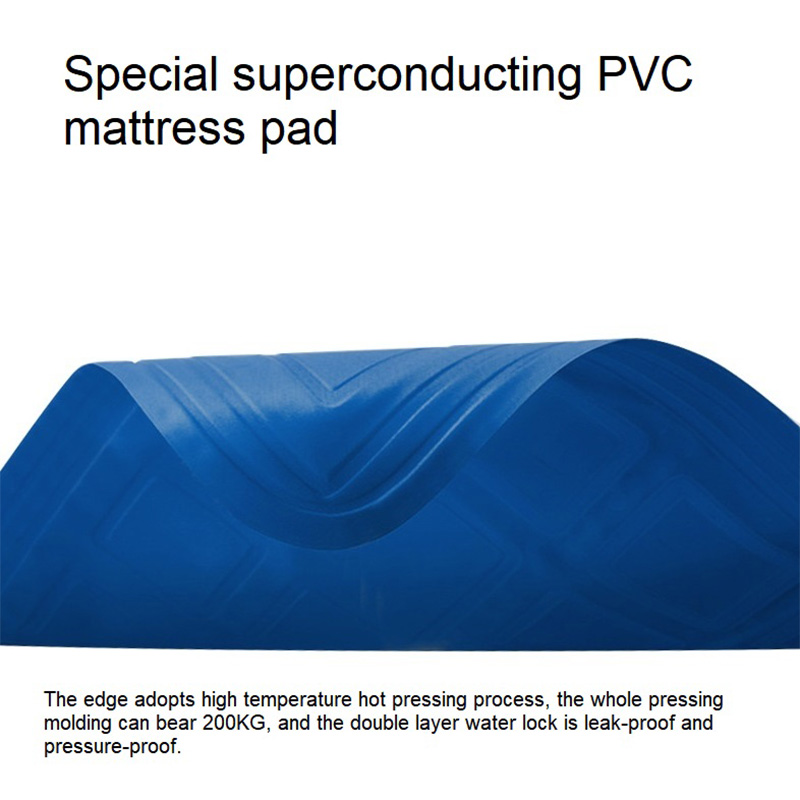 SL1829 Water Cooling Mattress With Bed Cooling System SL1829 water cooled sleeping pad features a state of the bed cooling system, with a generous 2.5-liter water tank capacity, ensuring hours of uninterrupted cooling rel... View Product →
 Holding Warmth Through the Temperature Minimum
On the heating side, the valuable feature is not raw power but stability. The most fragile part of the night sits around 4:00 to 5:00 a.m., when core temperature bottoms out and a cold-driven wakeup is most likely. A constant-temperature pad holds the surface at a set point instead of cycling between warm and hot, which keeps those early-morning hours comfortable without overshooting. For sleepers whose main complaint is cold-related discomfort or pain, there is a fuller breakdown of how a water heating mattress pad helps people who sleep cold .
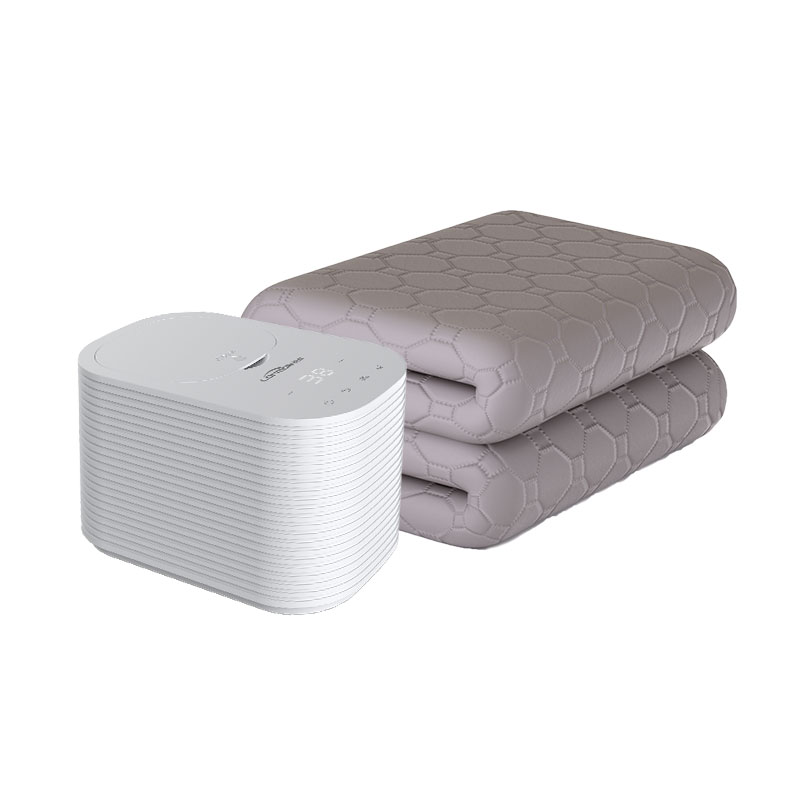 N2215 Intelligent Constant Temperature Water Heated Mattress Pad N2215 water heated mattress pad is thoughtfully designed to elevate your sleep experience while providing a range of intelligent features that enhance your comfort and... View Product →
 Gentler Control for Vulnerable Sleepers
Older adults, children, and pregnant women follow the same temperature curve as everyone else, but with less tolerance for error. Skin can be more sensitive, the ability to self-correct weaker, and sudden temperature swings more disruptive. For these users, gentle warmth, gradual adjustment, and dependable protective behavior in the device matter more than the widest possible range. That is the design logic behind pads built specifically for these groups, where controls stay simple and safety margins run wider.
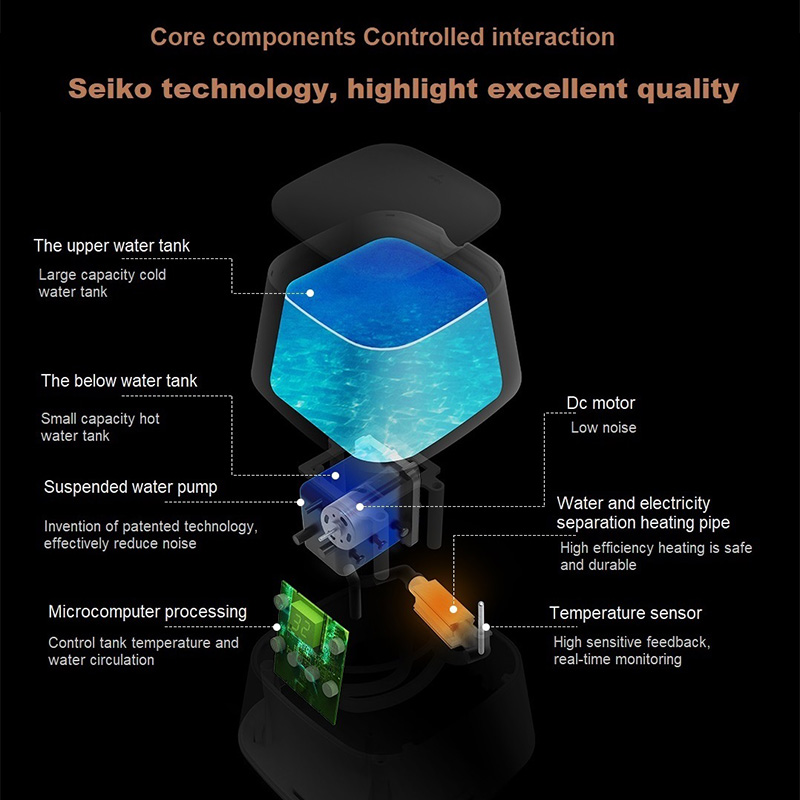 N1912 Intelligent Water Heated Mattress For Elderly Children And Pregnant Women 1912 intelligent water heated mattress,adopting water and electricity separation technology, heated by an external host, warm water through the mattress to generate ci... View Product →
 What Buyers and Distributors Should Evaluate
For retailers, importers, and brand owners sourcing temperature-regulating pads, the evaluation checklist differs from a consumer's. The points that separate reliable supply from problematic supply are specific:
- Temperature range and step size: can the user set the surface precisely, and does the control hold that set point through the night?
- Timer and remote functions, since pre-warming the bed and shutting off after sleep onset are the two most common real-world uses.
- Overheat protection and electrical safety design, the first question end customers ask about any powered pad.
- Sizing that matches standard bed dimensions in the destination market, from single through king.
- Pump noise, maintenance needs, and whether the circulation system requires filter cleaning or replacement over time.
- The supplier's own quality infrastructure: an in-house testing laboratory, a certified quality management system, and the ability to build against customer drawings or samples rather than only from a fixed catalog.
The last point carries the most weight. A precision temperature device lying under a sleeper for eight hours needs a factory that can test and calibrate on its own floor; that is what keeps field failures and returns low. Manufacturers that integrate development, production, and testing in one facility can also absorb custom requirements, such as region-specific voltage or control interfaces, without intermediaries adding cost and delay.
Body temperature during sleep follows a schedule predictable enough to plan around: heat shedding starts before bedtime, the core bottoms out before dawn, and REM hands temperature control to the environment. Keep the bedroom near 65 to 68 degrees Fahrenheit, choose bedding that lets heat escape, and treat recurring drenching night sweats as a medical question. When passive measures run out, water-based pads hold the sleep surface itself at the temperature each sleeper needs, hour by hour through the night.


